Episode Transcript
[00:00:00] Speaker A: Well, Barry, it's the beginning of September. I can't believe the year's almost gone.
[00:00:04] Speaker B: Can you believe it? I mean, man, it just seems like it was just May. What's going on with that? It sure does. Yeah. Yeah.
[00:00:10] Speaker A: Before you know it, we'll be saying 2027.
[00:00:13] Speaker B: Yep, I believe we will.
So looks like you got some things you want to talk about on your mind. I can tell it just from the look in your eye.
[00:00:32] Speaker A: Yeah. Let me tell you, for those who've been following the podcast, you probably know I've been going through a little bit of tragedy in my life with some loved ones who have passed away, including my mom.
But I was very curious to find. Think about it. When I came back to one of my. My. My relatives, and I talked to them about what it takes to go through some of this, and there were some things that we all talked about and shared that didn't really could have helped. And I. I decided to make a list. Bar, you know me, I'm gonna make a list of something and, you know, to see what, you know, if you're not the primary caregiver, if you're the family member who knows that this is happening, I mean, what can you do? How can you be helpful? And, you know, I think there's surprisingly a lot of things that we shared in common, and I think, you know, I made a list and shared it with you. Maybe you feel the same way about it, too.
I think there's some things we could say out loud to some people that might be helpful. So I kind of wanted to go through them a little bit. What do you think?
[00:01:34] Speaker B: Let's dive in. Let's dive in, and we'll just. I'm sure we're going to talk about each one of them and we might get off track, but y' all just bear with us and it'll be all good. Yeah.
[00:01:43] Speaker A: So here are the five tips that I heard for determining, you know, what can you do as a family member to help a primary care.
Number one, I thought was really important.
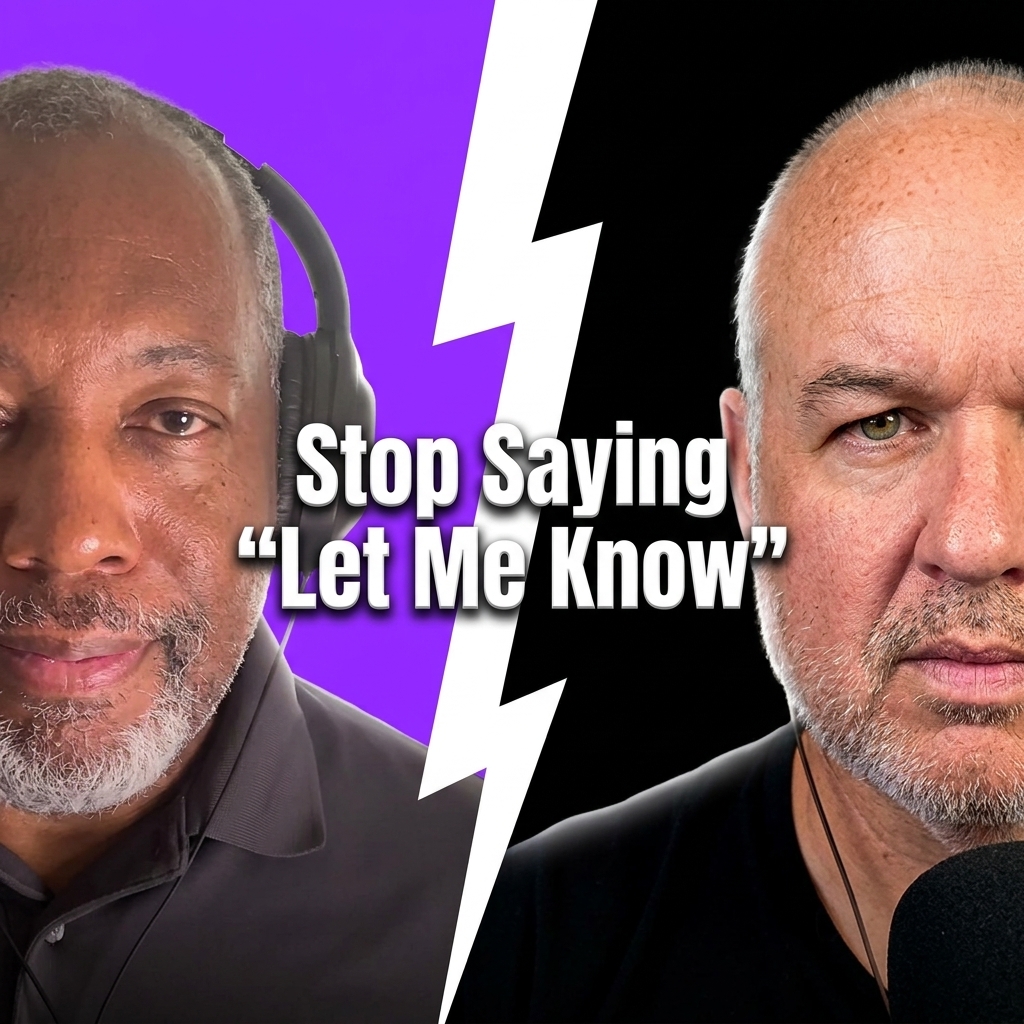
Offer specific help.
Don't just say, let me know.
So there's some examples of this that I think they're really helpful to kind of make the point. You know, when you say, I'll sit to help mom. No, be specific. I can help. Do that on Saturday from 2 to 5.
Yeah, maybe I'll pick up the groceries this week. Tell me what you need, and I'll get it so you don't have to make that trip.
You know, take them to an appointment. It doesn't have to be every appointment, you know, to a doctor's appointment, to a hair salon, to whatever it is, find a way to be helpful and be specific about it. I thought that was a really cool way to start. And it's not that hard when you think about it.
[00:02:36] Speaker B: I really like that too, because, you know, if you just say, let me know, then you're given.
Giving that person another job, another job that they don't need. They got plenty of jobs already at this point.
The best thing you can do is take some of that decision paralysis off, off of their plate and give them, just give them a handful of options. It makes it a whole lot easier to pick one of those kinds of things than trying to think of all the world. Of all the things that I have to do, which one do I need to get this person to do for me? And which one is that person capable of, you know, or did you know, or do they have the time? So, yeah, I really like that. That's. That's good. That's real good.
[00:03:16] Speaker A: This goes back to sort of the first one, but it takes a sort of attack on it that I think is interesting.
[00:03:21] Speaker B: Okay.
[00:03:21] Speaker A: Is make sure your caregiver gets a break, even for a few hours. It makes a huge difference. And offer to stay with a loved one while they do something, while they get some sleep, while they run errands, while they go to church, on activity, while they have lunch with a friend, or simply have some alone time. And you know, I thought to myself that was one of the things that I kind of cherished was, okay, I need to think through some of the stuff. But my loved one may have been very needy that day. So being able to do that was really important. And I've shared it with other people and I could hear the common. Yeah, that was something that would have been helpful.
[00:04:04] Speaker B: I know some folks who, some actually who are related to me and some who are just good friends who, you know, they. Beyond just like a daybreak, you know, they may need a couple of days away. And being able to, you know, offer to check in on that, on that person, especially if they're already maybe in a nursing home or assisted living facility. It's, it's a, it's a.
It helps them a lot to be able to just know that somebody's going to go by, somebody's going to check on them, somebody, somebody's going to be a point of contact if they're out of town or they're, you know, they're taking a couple of Days break so that they don't have to keep the phone by them side by their side the entire time and can kind of be into the break and not worried the entire time that they're gone. Because, you know, where's the break in that, Right?
[00:04:46] Speaker A: Yeah.
[00:04:47] Speaker B: So, yeah, I think this spot on.
[00:04:50] Speaker A: I do too. And the third one kind of flows into this one.
Stay connected. So when you do those things, report back, tell them what you did, when you did it, how you did it, because then it helps them understand that task was accomplished and not let them wonder. But even if you're not doing those things, stay connected with them.
Call, text, do something regularly, something they don't always need to respond to. Let them know that they're not alone and they're not forgotten. And I think that's a really cool thing to do for a caretaker.
[00:05:22] Speaker B: Yeah, I think so too. That connection matters a lot.
And just knowing on their side, knowing that the loop has been closed, you know, if you said you're going to do something that you actually did it and there's some confirmation that it happened, you know, that's always a good thing, big time.
[00:05:38] Speaker A: You know, both of us know that if your caregivers, you're doing almost a list of things and you want to know that it got accomplished. So that's not hard to do for people to really help.
The other thing is, number four is listening and listening without judgment.
So you don't have to fix everything. All you have to do is be there and listen and maybe ask a question or two just to say, well, you know, how are you doing? Or let them express frustration. It's okay. It's sadness or exhaustion without any feeling of guilt. Because that to me gives them a way to vent some of that emotion off and it allows them to go back to what they need to do. I think that's really important to do. Um, and I, I certainly know that people in my family did that for me. And, you know, you try to do the same thing for, for others who are going through that similar situation.
[00:06:31] Speaker B: I think that's good advice and I'm guilty of. I have a hard time with the not trying to fix it or trying to give us suggestions to fix the problem. I have. That's one of my worst ones.
And I, I saw someone online recently who, their approach to that was asking their person and I don't know if this is a good idea or not. It's just something this person said was they would ask their friend or their loved one or whatever, are you Looking for a solution right now or you just want to vent? Because either one of them is cool.
[00:07:05] Speaker A: Yeah, just give them an explicit thing.
And if they just want to vent, then you restrict yourself to questions.
[00:07:13] Speaker B: Yeah, for sure.
[00:07:14] Speaker A: No statements. Yeah, you know, excellent advice. Yeah, I think it's really good advice.
So.
Okay, great. You had one more.
[00:07:23] Speaker B: No. Speaking about advice, I'm looking down at number, number five here.
[00:07:26] Speaker A: Oh yeah?
[00:07:27] Speaker B: Yeah.
[00:07:28] Speaker A: How you know, I was going to segue into it, which is. Number five is share responsibility, not just the advice.
So if a person tells you what they caregivers should they all the time, then they are then not an extra burden. Another thing for them to worry about, you know, offer to help really specifically and so coordinate with your family members. Not just carry the entire load so they don't have to carry the entire load so that they can just begin to say, well, I need to, I need mom to eat better. All right, so the question is, how can I help you do that?
Not exactly what you need to do. Well, feed them different items. No, listen, be a part of the solution.
Be an extension of them, not a voice to contrary what they're trying to do. So, yeah, I think these are really cool.
And I felt like in my service as I was talking to other people and realized there were more people in this world doing this than just me, I thought about, well, what can I do to help? And so this, this really hit home for me.
[00:08:34] Speaker B: Well, tell me, tell me about that service. Tell me how that went. What was.
[00:08:37] Speaker A: Yeah, so it was, it was one of the aunts that, you know, I don't know, for those of you who haven't been following, I had this strange occurrence of having my mother and two aunts die in the same 12 hour period. So that was a lot to bear for a lot of us. But one of the things it did do is it brought the cousins closer together. So we're, we're open to each other because we all know, well, we all lost our mom.
Yeah, right.
[00:09:03] Speaker B: Yeah.
[00:09:05] Speaker A: And so you're dealing with it in a different way. It was caregivers talking to caregivers, you know, grievers talking to grievers. And so a lot of the conversation didn't have to be preferenced, didn't have to be, you know, here, let me tell you what happened. We all knew what happened. And so we could get down to having a real conversation. And it wasn't long and belligerence, but it was very meaningful and solemn and you knew where everybody's intent was because they were experiencing the same thing. So it was an interesting conversation at the end of the service we had in Baltimore.
And what I found was lots of people are dealing with this more than I realized.
Young people, old people.
It didn't matter.
Everybody in that room who was over 30 lost somebody and had to deal with it in some way.
[00:09:57] Speaker B: Yeah.
[00:09:58] Speaker A: That might be the question of our generation is how do we deal with people in that kind of situation?
[00:10:07] Speaker B: That reminds me of I was talking to somebody the other day about that internal guilt that a lot of folks have.
I know when my mom was sick and she was getting near the end, there's this internal battle, at least in my brain and argument between wishing that she would stay around and wishing that she wouldn't because she wouldn't be suffering any longer, you know, and both of those are completely valid, but both of those are also completely. Guilt field.
[00:10:50] Speaker A: Yeah.
[00:10:51] Speaker B: Either way. And the further away I'm from, the further away I am from that with my mom, the more I realize, in my opinion is that both of those are valid and you're going to. You're going to have those, and that's okay. There's no right. There's no right answer to that. And there really should not be guilt on either side of that. It is just natural to feel that way.
[00:11:17] Speaker A: Yeah. I come from a stoic point of view that says you take care of the things you have ability to change and the things you can't. Well, you give that to God and let that go because there's nothing you can do about it.
And it's. It's. It's harder to live than it is to say.
I'll have to say that right away. But you have to remember that as you go through some of this, you know, have you done everything you can? If the answer is yes, then there's nothing to be guilty about.
[00:11:50] Speaker B: Yeah.
[00:11:51] Speaker A: So, yeah, it's. It takes. But it takes some. Some perspective. And it. And it can often take some reaffirm, mean statements from up to other people. So if you know other people going through this, best thing you can say to them is that you did the best you could.
That takes some of the weight off of their shoulders. And I think it's a good place to start if you're trying to comfort somebody who's going through this.
[00:12:18] Speaker B: I think you just hit on something too, is that if you would say that to a friend, there's no reason you shouldn't say that to yourself.
[00:12:26] Speaker A: Self. Yeah.
[00:12:29] Speaker B: Yeah. Don't treat yourself any different if you'd Say that to them. Say that to you. Because as much as I hate this phrase, it is what it is. You know, I think that phrase is a little overused, but it is what it is at that point. Man.
Well, I think we've covered that one pretty good. You want to go? Got any other subjects you want to jump on?
[00:12:52] Speaker A: Well, I know you talk a little bit about people who aren't on looking out for our best interests.
[00:12:56] Speaker B: I tell you some scams and sometimes maybe it's okay to like channel some of that grief into anger against righteous targets such as scammers. I think that's a, I think everybody
[00:13:10] Speaker A: agrees that's a good, that's a good show tongue.
[00:13:13] Speaker B: Yeah, I like that. Could be a nice, you know, I could see it on Netflix, you know, eight, eight episode series. But anyway, we'll go back. So lately I think, you know, the scammers are coming out of the woodwork.
I've been getting, my wife's been getting, getting these scammers emails and texts and get a voicemail today.
My mother in law has gotten some this week and I just thought it might be a good idea to just go through, talk about a few of them and just kind of throw the, the annual warning out there about, you know, no, this is a scam. This is not, this is not a legitimate thing.
My dad even got one this past week. All right, I'm gonna start with my dad. My dad called me the other day and he said, hey, I got this thing that said that, that FedEx tried to deliver something to the house and that they needed a signature and I was supposed to, to call them. And I thought for a second, I thought, well, usually if they try to do that, they'll leave you a note on the front door. Was it a note that you got? And he said, no, no, no, no, it was, it was, it was a text. I said, oh, no scam. Straight up. Don't, don't even, don't even go any further than that.
FedEx is never going to call you and are going to send you a text and suggest that you needed to have a signature. And two, you don't have anything being delivered by FedEx right now. I mean, most of your stuff you buy from Amazon, they're not doing it via FedEx. So that was the top one that showed up.
Let's see here. Oh, here's a fine one right here.
Mother in law, she got one, a text from Experian that told her that a new Wells Fargo checking account was created in her name.
And that if it's, you know, if it's not yours, you should connect to us or try to try to reach us immediately at this particular telephone number.
All right, the hallmarks here, One, she doesn't have an Experian account. Two, she's never dealt with Wells Fargo. Three, the, the telephone number is nothing that looks like a fraud line or anything even connected to Wells Fargo. So. So no straight up scam. Although what they're trying to do for you is get you to call that number and then they're going to use some social engineering to get as many details out of you about your identity and all the things that would allow them to scam you even further just by talking to you. So, yeah, no, nobody wants that.
[00:15:47] Speaker A: Now if you were Wells Fargo, what's better for you to do is to ignore that number, look up Wells Fargo and call them directly 100%.
And most of the time they don't do that with phones. They contact you in other ways. So.
[00:16:03] Speaker B: Yep.
So yeah, they're just trying to somehow get some deets out of you so they can figure out a way to make some money off of you one way or the other.
All right, here's a good one. Recruitment Growth Strategy. Growth strategy.
I can't even say it today. Recruitment Growth Strategies llc. Your preferences aligned with a newly available role. Reply get and we'll text you the details. Reply unsubbed to opt out. Okay.
[00:16:30] Speaker A: All right.
[00:16:30] Speaker B: They're just looking for suckers. And even if you reply unsub, they know they have a human on the other side of the line that they can send more attacks to. If you reply get, you're definitely going to get scammed. They're going to ask you all kinds of details. So throw that sucker away.
They would never, anybody like that would that had actually had a job for you or something that they, they wanted for you as real. They would never text you for that. It's just not going to.
And never, never.
[00:16:57] Speaker A: When we say throw it away, actually throw, delete it and report.
[00:17:01] Speaker B: Yep, delete it because that tells is the way to go.
[00:17:04] Speaker A: Yeah, absolutely.
[00:17:06] Speaker B: So here's, let's see, what is the.
I got a bunch of these. Even got some of these off of Facebook messenger so they go all over the board. But these, these are kind of fun.
Here's a great one.
Apple Pay payment status.
A $143.95 charge at Apple Store CA is currently in a holding pattern while we complete a routine assessment. Until the assessment ends, this charge will remain incomplete. If this is an unauthorized purchase, no additional steps are called for. If it's not authorized, we suggest you speak with Apple support at this number right away. Yeah, that ain't Apple support's number.
That's not going to be the case.
[00:17:48] Speaker A: And what's more, if you're doing Apple, they have other ways for you to check to see if there's any charges on it. You don't have to call anybody.
That's one of the things that Apple card does that's pretty unique.
And I've seen more and more vendors doing things like that. So call it me. And bottom line is verify everything, every website, telephone number.
[00:18:13] Speaker B: Chances are if you've got a problem with one of your cards or something like that, especially with Apple, they're going to do a push notification to your phone. You're not going to get just some random text from some random number. It's just not happening.
All right, let's see here.
What was the one that freaked me out or just made me laugh actually at this point?
Oh, yeah, here's one. I got one from a random number the other day. It says, do you still have the photos we took at the beach? I lost mine.
So you tell me what they, what you think they're wanting to do at that point.
[00:18:49] Speaker A: Obviously they want your contact information.
They want your, you know, to respond back. And honestly, the scams work once you respond. Now they, now they try something else.
So, yeah, it's very targeted toward a group of, of a generation who believes that electronic notification, phone calls, text messages, messaging must be from legitimate places. They don't think about it in the same way that younger folk do about it. So it's really important to make sure you get that across. And if they have any kind of concern, train your loved one to ask you.
It's okay.
[00:19:35] Speaker B: I was so proud of my dad when he just called and asked me about the thing.
I've got him trained at that point, if it looks even the least little bit odd, he's going to call me and ask me about it. Which, you know, at first you get a little annoyed by the fifth one you get, but then, but no, it's
[00:19:53] Speaker A: better to be annoyed than get taken down.
I'll tell you one that got me, and it's hard to get me, was the invitation. Scams that are come out like, man, they're all over come out where they say things like, hey, I would love to have coffee with you, or we're doing a birthday party for somebody, you know, and you're used to clicking on it and logging into Evite and maybe even logging and giving your password. And one of them got me.
And so now I'm very suspicious about those things. When I see them, if I know the person, I will give them another text and say, is this you?
And it's really important to make sure that you're aware of that kind of thing. So they're getting smarter and smarter about those kind of scans.
[00:20:36] Speaker B: It got K and me not too long ago, like a week or two ago, we had someone.
It was one of those people that you would. That was just distant enough that you thought might actually use one of these things, you know, to do the party.
And instead of texting them, which we should have done before we clicked on anything, we clicked on things and ended up having to change some passwords. Did it quick enough that it wasn't a real problem, but it was. It was embarrassing.
You know, I should know better than this. And I fell for it. It just. It was just one of those things.
So I got one last one over here, and this has got to be my favorite because it's hilarious.
Got this one through Facebook Messenger.
For many years, I have carried the weight of work and I lived in solitude.
The world has become exhausting for me, and depression has caused me great suffering.
Even so, you're always the one I care about most. But I don't want to burden or interrupt your life. I have left you some money, hoping that it will become a bond for us to meet again in the next life. Now I am ready to say farewell to this world. Please hold on to this message. And they give me a website that's like www.yk.cc, a username, a password, and then down at the bottom, here's the kicker, here's the hook. This has got balance.
$630,000 and so many cents over here.
US dollars.
Yeah. Okay.
That would just crack me up.
[00:22:11] Speaker A: It's amazing. You know, I know that sometimes you're in a weak moment and you think, well, that's gotta be. What can I lose? Here's what you can lose if you put in that kind of thing and do something and.
And honestly affect yourself in a way that you hadn't anticipated. So that is a scam.
[00:22:30] Speaker B: But it's a hardcore scam. Really? Really. It's bad, man. Yeah. Lord.
[00:22:38] Speaker A: So be vigilant, because this is the season.
As we're going into it, I know we're less than 100 days away from Christmas, and they're going to find ways, prey on people's fears. And.
And anxieties as they do.
Make sure you say to your loved one, look, if you not sure, call me. Let's talk about it. And is there old thing that still works? You put the name of the phrase that you get from there and you put scan before it. And guess what the Internet will tell you. Yeah, it is a scam.
[00:23:10] Speaker B: Oh, yeah. So just straight up, Google usually do that for you? I tend to, like, drop mine into my favorite AI of choice and I'll just drop it in and say scam, question mark. And that's. That's what it'll say. Oh, yeah, that's definitely a scam.
Never fails.
Oh, and usually laugh about it at the same time.
[00:23:30] Speaker A: Yeah, well, it's better to laugh about it than be taken by it.
[00:23:33] Speaker B: So, yeah, 100%.
All righty. So what else we got here?
[00:23:39] Speaker A: Well, I figured I have another one of my five tip lines. All right. That I think can be useful. And so this is another thing that came out of that conversation is when determining when and how. What. What technology is actually needed for a loved one, you know, how early do you step in and do something for it? So a couple of things to find out. And I thought they were really cool, thought we could talk about them real quick again. And we'll throw all the stuff in the show notes so that you can look at your leisure if you want to.
Which is.
So if you're looking at a loved one who's getting up in age, and I got a range that I hope you agree with, is people who are turning right at that 70, 80 mark, when I think the scammers start gearing up to target them in ways, or maybe some of the ailments that they have are starting to become more pronounced.
So if you're looking at a loved one to say, do they need my help? Do they need technology? Do I need to do something to assist them, first, start with what they already know. Look at the devices they have and the technology they're using and see if they're using it successfully. You know, build on tools rather than introducing something completely new. This is really about enhancing their experience and not trying out the next technology.
So, you know, I always thought when I first started with my mom, the thing that she got more and more visibly upset about was being able to operate her television. And as we all know, we look at remotes and things like that, and they're huge. They got a lot of buttons, a lot of choices. And as mom got older and older, that became more and more difficult for her to do so. First tip, take pictures of all that so you can talk about it. If she calls you, find the remote that she uses, see if you can and say, hey, it's a, it's the yellow button on the top line. Instead of having her trying to tell you all that stuff. So prepare yourself for that kind of thing.
Consider their physical abilities.
Make sure if they, if you don't know, see if they have vision issues, hearing issues, dexterity, if their hand strength is the same. Because that's something that certainly changes over age and time, you know, and you might want to do things by. Okay, let's, that's getting remotes with larger buttons, voice controls, simpler interfaces, things that get them what they want.
And this is coupled by the third one which is a test their ability to learn and remember.
As my mom got older, it got harder for her to remember which remote it was to remember which button it took.
And so I've seen, and I think we've actually talked about making kinds of picture based elements where they can look at. It says, oh, I need to turn it off. Well, that's the button to turn it off. And so you might want to think about how you. But this requires you to pay attention to your loved one and actually see what they're having difficulty with.
[00:26:40] Speaker B: Yeah.
[00:26:40] Speaker A: So sure.
Can they follow simple steps and stuff like that.
[00:26:44] Speaker B: You brought up a great, great example.
Maybe I can throw in, throw in one here that'll kind of help those things is I've got a, I've got an aunt, she's in her 90s, she is an iPhone user and she does great with the iPhone. User with the iPhone.
She's great a great texter, she's a great caller. Occasionally she's got some news apps that she just uses and just fine. But lately as she's gotten a little older, her eyesight has gotten worse and she has trouble with small text. It's not a terrible problem on the iPhone itself, but what's got her lately is she gets her, she still gets her bank statements on paper and they're tiny. So she, she has to, the, the font is tiny. She has to break out a, an old school magnifying glass to kind of go over it and see what's going on with it. And I am on the cusp of considering buying an iPad for her, like maybe like a 13 inch one that its sole purpose will be nothing but to have the PDFs of, of her bank statements on it that I put on there over the cloud and make it so she can pinch and zoom and see all the things in much bigger detail that she can't do on paper. Now, I haven't done this yet and I may run into the things that this may be one piece of technology too far. I'm not sure what's your opinion on that kind of thing. Do you think that's you got to
[00:28:08] Speaker A: be careful and what works for her today may not work for her two years from now. True. So you got to keep going back and making sure that you have that you observe the issues he's having and see whether the solution you came up with a few years ago still works. Because then, you know, we already talked about hand strength. Sometimes that dexterity can get in the way of that kind of thing. And so you just have to pay attention. This, this is about a consistent look, not a one time solution. The sure, things change. As a matter of fact, as you grow older, things change rapidly.
[00:28:41] Speaker B: Kind of a regular audit in a way. Think about it that way.
[00:28:43] Speaker A: Absolutely.
At least once a year. But probably more than that when you think about it. And you don't have to tell them what you're doing, just really observe and see how things are going. And that's actually one of the items on here. So let me get to the last two and then we could kind of rip on it a little bit for sure.
You know, so the other thing is match the technology to their need.
You're not putting technology for technology's sake. You're solving a problem.
And so if the TV is the problem, then, okay, you're dealing with remotes and televisions and you do all kinds of things. But sometimes it's as simple as, well, I don't know what time it is and I can't find my watch. Okay, set up an iPad or a computer that shows the time or something like that. You know, my mother was very akin to wanting to know what the time was and what the date was. So we did things to make that easier for her to do. So you got to customize this to what they're doing and pay attention to that.
And one of the things I think that's really cool about that is you don't have to be the know it all here. Sometimes other members of your family and friends, they already know because they're dealing with them in a different way. So talk to them.
[00:29:54] Speaker B: That's true.
[00:29:55] Speaker A: Share that experience.
[00:29:57] Speaker B: That makes me think of, I know we've covered this before, but if possible, even if you, even if you have to change that person's device if you can get it to be the same devices that all the other caregivers have, sometimes that's helpful if it's not gone too far. You know, I know folks that have, you know, like the family will all have iPhones and then that one person will have an Android device.
It may be too late to change them out of Android, so it may be worth picking up a. An older version of that for yourself just so you got some frame of reference. So when you're talking to them about it.
That was. That was a. That was a big deal. Luckily, I was able to catch my dad before it got too late for him to change his device. He was able to change over. Okay. But it was. Well, it was bumpy even then. That was a few years ago. But.
But I would. I know it would be. It'd be. I would be the only one who could help him with that other device. And that's nowhere. That's. That's not where you want to be.
[00:31:00] Speaker A: Yeah. So set up in a way so that there can be alternatives for you, so you don't have to be a single point of failure in that kind of deal. And, you know, and when you do things, let them try it, let them see. And sometimes things don't work and it's okay.
So don't assume that they can't get it. They can make it work. You have to watch them.
It's okay to make sure they have a device that's independent of the struggles they want. So, yeah, you need to make sure you follow up. Following up is really important.
[00:31:31] Speaker B: Yeah. Are you able to do the things that you need to do?
[00:31:35] Speaker A: Yeah.
[00:31:35] Speaker B: Yeah, for sure.
Well, that's pretty good. I think we've got some. Got some good, good subjects out there and some good advice, and I believe that might be enough for today. What do you think?
[00:31:49] Speaker A: I think so. Well, we, of course, are here to talk about what you are experiencing. So if you have a. A need or a question, you know, send it to us, we'll look at it. We can bring it up and do a little research and talk about it on our cast.
[00:32:04] Speaker B: Yep. And we'd really appreciate it if you take a moment to like and comment on our YouTube videos would be fantastic. That helps us with the algorithm if you could. We'll. We'll definitely answer if you comment. And we just appreciate the interaction.
[00:32:21] Speaker A: Absolutely.
[00:32:21] Speaker B: So hope everybody has a good rest of your week and we'll see you next time.
[00:32:26] Speaker A: See ya.
[00:32:29] Speaker B: Cool.
[00:32:32] Speaker A: I think that was enough.